The Ultimate 2026 Serum Guide: Choose, Layer & Use Serums That Actually Transform Your Skin
The Ultimate 2026 Serum Guide: How to Choose, Layer & Use the Right Serum for Your Skin Type
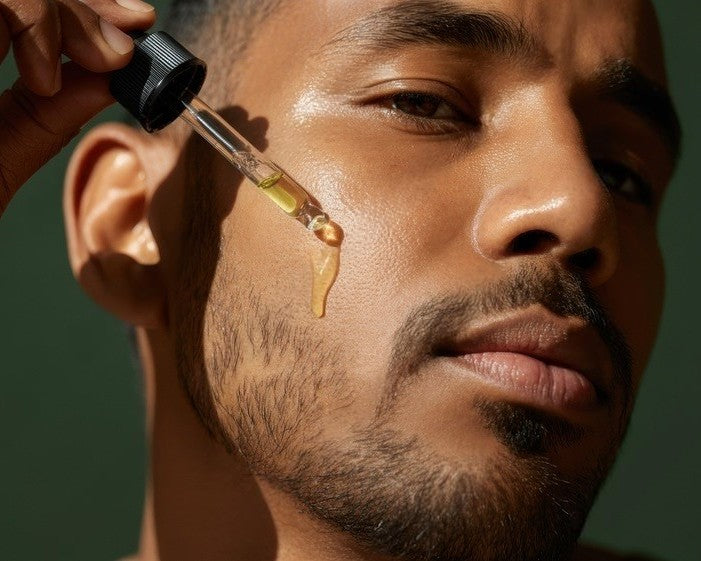
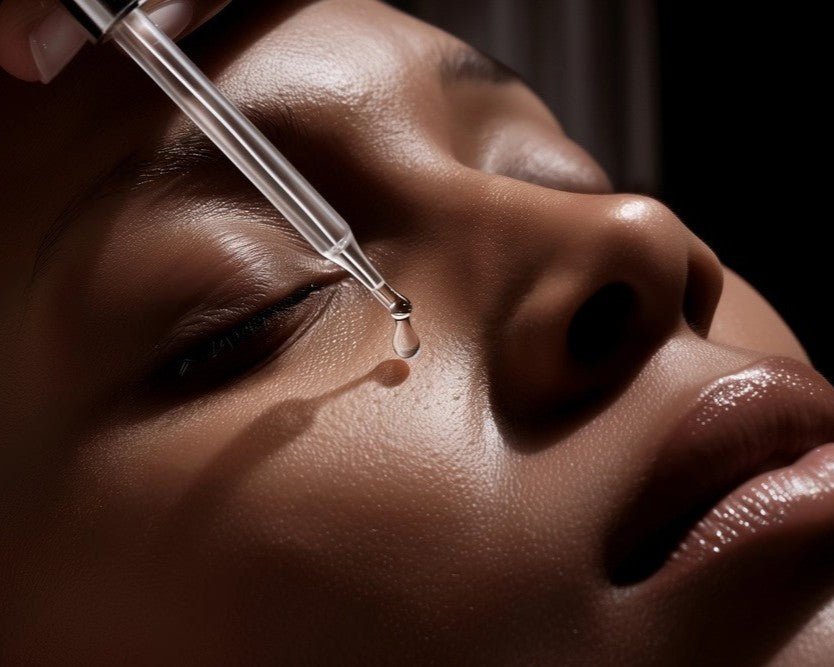
If there's one product category that has completely transformed modern skincare, it's serums. Lightweight, concentrated, and formulated to deliver active ingredients deeper into the skin than any moisturizer or cleanser can, serums are the engine room of your routine. And yet, they're also the category that causes the most confusion — and the most wasted money.
Walk into any beauty aisle and you're faced with dozens of options: vitamin C, retinol, niacinamide, hyaluronic acid, peptides, AHAs, BHAs, growth factors. Every bottle promises something extraordinary. So how do you actually know which serum is right for you, how many you should be using at once, and in what order they go on your skin?
That's exactly what this guide answers. By the end, you'll understand serums the way a dermatologist does — and you'll know how to shop for them the way someone who never wastes money does.
What Exactly Is a Serum (and Why Does It Matter)?
A serum is a lightweight, fast-absorbing formula — typically water-based, oil-based, or a hybrid — that delivers a high concentration of active ingredients to the skin. Because serums have smaller molecular structures than most creams and lotions, their key ingredients can penetrate the outer layers of the skin more effectively.
Think of your skincare routine as a meal. Your cleanser and toner are like preparation — they clear the table and set the right conditions. Your serum is the main course, delivering the nutrients your skin actually needs. Your moisturizer and SPF are the finishing touches that seal everything in and protect the work you've done.
This is why choosing the wrong serum — or skipping serums entirely — means your routine is working significantly below its potential.
The Six Main Serum Categories (and What Each One Does)
Understanding serum categories is the foundation of smart shopping. Rather than buying based on a brand name or a trending ingredient, you want to match the serum's function to your skin's actual needs.
Hydrating Serums are built around ingredients like hyaluronic acid, glycerin, and aloe vera. Their entire job is to draw water into the skin and hold it there. If your skin feels tight, looks dull, or shows fine lines that worsen throughout the day, dehydration is likely the root cause — and a hydrating serum should be your first purchase. These are gentle enough for all skin types, including sensitive, acne-prone, and oily skin, because they don't add oil — they add water.
Brightening Serums typically feature vitamin C (ascorbic acid or its derivatives), kojic acid, alpha arbutin, or tranexamic acid. They work by interrupting the melanin production process that creates dark spots, uneven tone, and post-inflammatory hyperpigmentation. A quality vitamin C serum used consistently in the morning is one of the most effective anti-aging and brightening investments you can make — it simultaneously fights free radical damage from UV exposure and visibly fades existing discoloration.
Retinol & Retinoid Serums are the gold standard in anti-aging and skin renewal. Retinol (an over-the-counter vitamin A derivative) and prescription-strength retinoids signal your skin cells to turn over more rapidly, which means fresher, smoother, more evenly toned skin over time. These are best used at night, started slowly (once or twice a week), and always followed by SPF in the morning. If you're newer to retinol, check out our Complete Retinol Starter Guide for a full roadmap.
Niacinamide Serums are the versatile multi-taskers of the serum world. Niacinamide (vitamin B3) simultaneously minimizes pores, regulates sebum production in oily skin, calms redness and inflammation, and strengthens the skin barrier. It's one of the most well-tolerated actives available, making it a smart choice if you have reactive or combination skin.
Exfoliating Serums contain AHAs (like glycolic acid or lactic acid) or BHAs (like salicylic acid) to dissolve the bonds between dead skin cells so they shed more efficiently. AHAs work on the surface and are excellent for texture, dullness, and fine lines. BHAs are oil-soluble, which means they penetrate into pores and are particularly effective for acne-prone and congested skin. These are typically used at night, two to four times a week depending on your skin's tolerance.
Peptide & Growth Factor Serums are the repair and firming specialists. Peptides are short chains of amino acids that signal the skin to produce more collagen, making them particularly valuable for mature skin, or anyone looking to maintain firmness and elasticity proactively. They work slowly and steadily — don't expect overnight drama, but consistent use over 8–12 weeks shows measurable improvement in skin density and resilience.
The Best Serum Combination for Your Skin Type
Now that you understand what each category does, here's how to match them to your specific situation.
For dry or dehydrated skin, lead with a hyaluronic acid serum in the morning and evening, and consider adding a peptide serum at night to support the skin barrier over time. Keep exfoliating serums to a minimum (once a week maximum) and always follow with a rich moisturizer.
For oily or acne-prone skin, a niacinamide serum is your anchor — it works morning and evening, regulates oil production, and reduces the appearance of enlarged pores. Add a salicylic acid serum two to three nights a week to keep pores clear, and introduce a retinol serum gradually once your skin is comfortable with the BHA.
For dull, uneven, or hyperpigmented skin, vitamin C in the morning and retinol at night is the classic power pairing. These two ingredients work on completely different mechanisms — vitamin C prevents new pigment formation and fights oxidative damage during the day, while retinol accelerates cell turnover and resurfaces existing discoloration overnight.
For sensitive or reactive skin, start with just one serum: niacinamide or a very gentle peptide formula. Sensitive skin benefits enormously from serums, but it needs a slow, patient introduction. Once your barrier feels strong and settled, you can introduce a mild vitamin C derivative (like ascorbyl glucoside) and work from there.
For aging or mature skin, prioritize retinol at night, vitamin C in the morning, and a peptide or growth factor serum layered underneath your moisturizer at night. Hydration is also critical, so a hyaluronic acid serum morning and evening creates the ideal base for everything else.
How to Layer Multiple Serums Without Causing Problems
One of the most common mistakes people make is applying serums in the wrong order, or combining ingredients that work against each other.
The golden rule of serum layering is thinnest to thickest. Apply your most watery, lightweight serums first (like hyaluronic acid or a vitamin C water serum), and work your way up to slightly thicker or more emollient formulas (like a peptide serum or a niacinamide treatment). This ensures that each product can absorb properly rather than being blocked by a heavier layer beneath it.
The second rule is knowing which ingredients don't play well together. Vitamin C and niacinamide were once thought to be incompatible, but modern research has largely debunked this concern at the concentrations found in consumer products. The pairing that genuinely requires caution is retinol with AHAs/BHAs — using both on the same night can cause significant irritation, particularly for beginners. The safest approach is to alternate them on different nights rather than layering.
Retinol and vitamin C shouldn't be used together either, primarily because vitamin C is most effective at a low pH that can actually reduce retinol's stability. Use vitamin C in the morning and retinol at night — this is the most effective and well-tolerated split.
How Long Does It Take for a Serum to Work?
This is the question that determines whether most people succeed or fail with serums. The honest answer is that real, visible results take time — and the timeline varies by ingredient. Hyaluronic acid and niacinamide deliver noticeable improvements in texture and moisture within days to two weeks. Vitamin C serums typically show meaningful brightening results after four to six weeks of consistent daily use. Retinol requires a minimum of eight to twelve weeks before you see significant skin texture and tone improvement, though many users notice some initial purging or flakiness in the first two to four weeks as cell turnover accelerates.
The biggest mistake people make is switching serums after two weeks because they haven't seen results. Give each serum at least six weeks of daily use before making a judgment call.
What to Look for When Shopping for Serums
Not all serums are created equal, and price alone is not a reliable indicator of quality. There are a few specific things to look for on the label. For vitamin C, look for L-ascorbic acid at a concentration between 10% and 20% and check that the packaging is opaque or dark glass — vitamin C degrades rapidly in light and air. For hyaluronic acid, look for a product that contains multiple molecular weights of HA, as this ensures hydration at multiple depths of the skin. For retinol, start at 0.025% to 0.1% if you're new, and only move up in concentration after your skin has fully adjusted.
The Everbeaut store carries a carefully selected range of serums across all these categories, formulated to deliver professional-grade results at an accessible price point. Whether you're building your first serum routine or looking to upgrade a specific step, exploring our skincare collection is a great place to start.
The Bottom Line
Serums are the single highest-impact upgrade you can make to your skincare routine — but they require a little knowledge to use correctly. Match the serum type to your actual skin concern, layer thinnest to thickest, respect the ingredient pairings that need to be separated, and give each product the time it needs to do its job. Do those things consistently and your skin will look genuinely, measurably better within a few months.
That's not a marketing promise. That's just how good skincare science works.

Written by Jake Mitzkovitz