How to Get Rid of Acne Scars & Rough Skin Texture: The Complete 2026 Guide That Actually Works
How to Get Rid of Acne Scars & Rough Skin Texture: The Complete 2026 Guide That Actually Works
Published: April 15, 2026 | Category: Skincare | Read Time: 11 min
You cleared the breakout. So why is your skin still not clear?
If you're dealing with leftover red marks, pitted scars, bumpy texture, or enlarged pores long after a breakout heals — you're not alone. Post-acne skin damage is one of the most frustrating beauty problems people face, and it's one of the least talked about honestly.
The good news: in 2026, there are more proven, affordable tools to fade acne scars and smooth skin texture than ever before. In this guide, we're going to break down exactly what causes acne scarring and rough texture, the ingredients and routines that actually work, and how to build a complete scar-fading, texture-smoothing regimen using products you can find right here at Everbeaut.
Let's get into it.
What's the Difference Between Acne Scars and Post-Acne Marks?
Before you can fix the problem, you need to know what you're actually dealing with. Most people use the word "scar" loosely, but there are actually two very different issues:
Post-Inflammatory Hyperpigmentation (PIH)
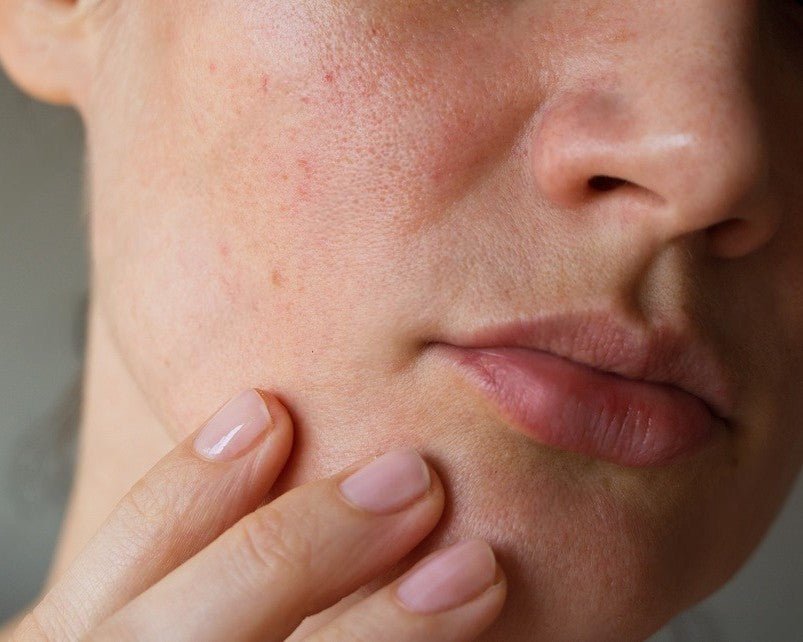
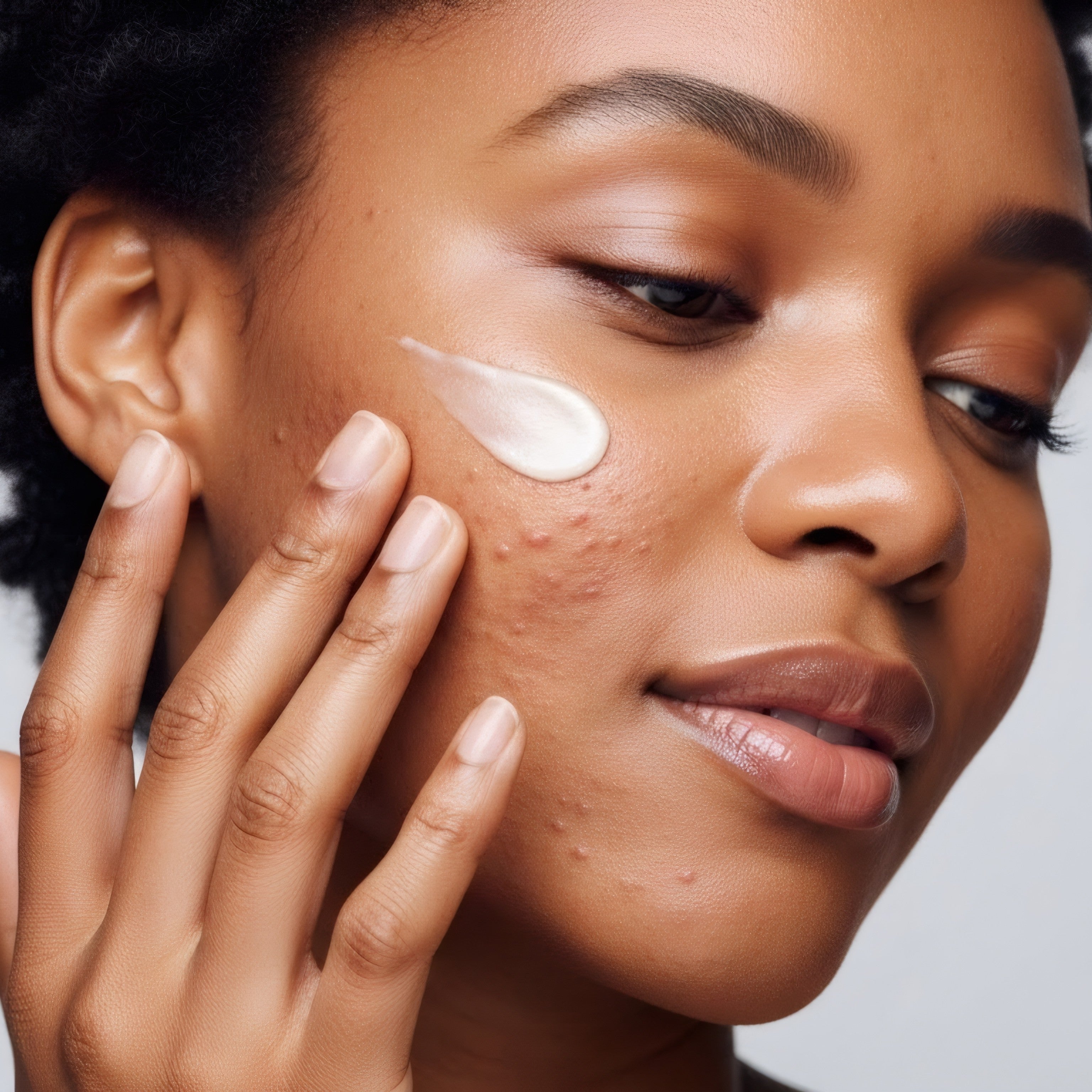
PIH shows up as flat red, pink, or brown marks after a pimple heals. These are not true scars — they're discoloration left behind by inflammation. The good news: PIH almost always fades on its own with time, and the right topical ingredients can speed that process dramatically.
Who gets PIH: Everyone, but people with deeper skin tones tend to experience more persistent and darker PIH due to higher melanin activity.
True Acne Scars
True scars involve physical changes to the skin's structure. These fall into a few types:
- Atrophic scars (the most common): Depressed scars caused by collagen loss during healing. These include icepick scars (deep, narrow), boxcar scars (wide, defined edges), and rolling scars (wave-like, shallow depressions).
- Hypertrophic scars: Raised, firm scars caused by excess collagen production. More common on the body than the face.
True scars require more targeted, consistent treatment — but they can absolutely be improved.
Rough Skin Texture
Rough, bumpy, or uneven texture often has nothing to do with acne scars at all. It can be caused by:
- Clogged pores and congestion
- Keratosis pilaris (KP) — tiny bumps caused by keratin buildup
- Dehydration and a compromised skin barrier
- Dead skin cell buildup from irregular exfoliation
- Sun damage and early signs of aging
Understanding your specific concern is the first step to treating it correctly.
The Science Behind Fading Acne Scars: What Actually Works in 2026
Not every "scar-fading" product on the market delivers real results. Here are the evidence-backed ingredients that consistently show up in dermatology research and produce visible improvements:
1. Vitamin C (L-Ascorbic Acid & Derivatives)
Vitamin C is the gold standard for fading PIH and brightening uneven skin tone. It works by inhibiting tyrosinase — the enzyme responsible for melanin production — while also stimulating collagen synthesis, which can help improve the appearance of atrophic scars over time.
How to use it: Apply a Vitamin C serum every morning before sunscreen. Look for concentrations between 10–20% for best results. Vitamin C derivatives like ascorbyl glucoside are gentler options for sensitive skin.
Pro tip: Vitamin C + sunscreen is one of the most powerful combinations you can build into your routine. UV exposure is one of the biggest reasons PIH takes longer to fade — always follow your Vitamin C with SPF.
2. Niacinamide (Vitamin B3)
Niacinamide is a multitasking powerhouse. It fades hyperpigmentation, reduces the appearance of pores, strengthens the skin barrier, controls sebum production, and calms inflammation — making it particularly valuable for acne-prone and post-acne skin.
A 5% niacinamide concentration is the clinically supported sweet spot for visible results without irritation.
How to use it: Niacinamide plays well with almost every other active in your routine and can be used morning and/or evening.
3. AHAs: Glycolic Acid & Lactic Acid
Alpha hydroxy acids (AHAs) chemically exfoliate the surface of the skin, removing dead cell buildup that contributes to rough texture and dulling of the complexion. Regular AHA use also accelerates the natural cell turnover process, helping PIH fade faster.
- Glycolic acid has the smallest molecular size and penetrates deepest — best for normal-to-oily skin looking to smooth texture aggressively.
- Lactic acid is gentler and more hydrating — better for sensitive or dry skin.
How to use it: Start 2–3 times per week in the evening. Never use AHAs in the same step as Vitamin C or retinol — alternate or layer with a buffer (moisturizer between).
4. BHA: Salicylic Acid
Salicylic acid is oil-soluble, meaning it can penetrate into pores and break down the congestion that causes both active breakouts and the rough, bumpy texture that follows. A 2% BHA used consistently can visibly smooth skin texture within weeks.
How to use it: Best suited for oily and acne-prone skin. Use in toner, serum, or cleanser form — can be used daily or every other day depending on skin tolerance.
5. Retinol (and Retinoids)
Retinol accelerates skin cell turnover, stimulates collagen production, and is one of the most proven anti-scarring ingredients available without a prescription. For rolling and boxcar scars especially, consistent retinol use over 3–6 months can produce meaningful improvement in skin texture and depth.
How to use it: Start low (0.025%–0.05%) and build up slowly. Use at night only. Always follow with a nourishing moisturizer and wear SPF during the day — retinol makes skin more sun-sensitive.
Skin cycling tip: Alternate retinol and exfoliation nights with recovery nights to maximize results without stripping your skin. (If you haven't tried skin cycling yet, check out our Skin Cycling in 2026 guide.)
6. Azelaic Acid
Azelaic acid is an underrated but highly effective ingredient for PIH, especially for deeper skin tones prone to dark marks. It inhibits melanin production and has anti-inflammatory properties that help calm the skin post-breakout. It's also one of the only brightening actives considered safe during pregnancy.
How to use it: Available in 10% (OTC) and 15–20% (prescription) strengths. Can be used morning or evening and layered with most other actives.
7. Peptides & Collagen-Stimulating Actives
For true atrophic scars (those physical depressions), the goal is collagen remodeling — filling in what was lost during the healing process. Peptides like Matrixyl 3000 and copper peptides work over time to signal your skin to produce new collagen. These won't produce overnight results, but consistent use over months can noticeably soften the appearance of shallow scars.
The Complete Acne Scar & Skin Texture Routine (Step by Step)
Here's how to build an effective routine using the ingredients above — without overwhelming your skin.
Morning Routine
Step 1 — Cleanser Use a gentle, low-pH cleanser that won't strip your barrier. Avoid harsh foaming cleansers with sulfates, which can trigger more inflammation and slow healing.
Step 2 — Niacinamide Serum Apply a niacinamide serum to tone-correct, minimize pores, and support barrier function throughout the day.
Step 3 — Vitamin C Serum Layer Vitamin C after niacinamide for maximum brightening and antioxidant protection. Let it absorb fully before moving to the next step.
Step 4 — Moisturizer Lock in the actives with a lightweight, non-comedogenic moisturizer. Hydrated skin heals faster and responds better to active ingredients.
Step 5 — SPF 30+ (NON-NEGOTIABLE) Sunscreen is not optional when treating PIH or scars. UV exposure darkens existing marks and slows the entire fading process. Use a broad-spectrum SPF 30 or higher every morning, rain or shine.
Evening Routine
Step 1 — Double Cleanse (if wearing SPF/makeup) Start with a cleansing balm or oil to break down sunscreen and makeup, followed by your regular cleanser for a clean base.
Step 2 — Exfoliation Night (2–3x per week) Apply a BHA (salicylic acid) or AHA (glycolic or lactic acid) toner or serum. This is your texture-smoothing, congestion-clearing step.
Step 3 — Retinol Night (alternate nights) On nights you're not exfoliating, apply retinol or retinaldehyde for collagen stimulation and accelerated cell turnover.
Step 4 — Niacinamide or Azelaic Acid Add niacinamide serum or an azelaic acid treatment after your actives on any night of the week.
Step 5 — Moisturizer (go richer at night) Use a more nourishing moisturizer at night — your skin repairs itself during sleep, and ingredients like ceramides, hyaluronic acid, and peptides will support that recovery process.
Recovery Nights (2–3x per week)
On nights when you've used neither retinol nor exfoliation, focus purely on barrier repair:
- A gentle, hydrating toner or essence
- A barrier-repair moisturizer with ceramides, squalane, or oat extract
- Optional: a slugging layer (thin layer of petrolatum or occlusives) to seal it all in
This is the skin cycling approach — and it prevents the over-exfoliation that so many people accidentally fall into.
Common Mistakes That Are Making Your Scars Worse
Even with the right products, these habits can slow your progress significantly:
1. Skipping SPF. We said it above and we'll say it again. This is the single biggest mistake people make when treating PIH. Sun damage can make marks darker and more permanent. Wear SPF every single day.
2. Picking at active breakouts. Every time you pick, squeeze, or pop a pimple, you dramatically increase the chance of permanent scarring and prolonged PIH. Hands off.
3. Using too many actives at once. Stacking retinol + AHA + Vitamin C + BHA in one routine doesn't accelerate results — it triggers irritation, compromises your barrier, and slows healing. Build your routine gradually.
4. Expecting overnight results. PIH typically takes 3–6 months of consistent treatment to fade significantly. True scars can take 6–12+ months. Consistency matters far more than intensity.
5. Neglecting moisturizer. Dry, dehydrated skin looks more textured, makes scars look more visible, and doesn't respond as well to actives. Moisture is not optional.
6. Using physical scrubs. Harsh physical exfoliants (walnut shells, sugar scrubs) can worsen inflammation and create micro-tears that make scarring worse. Stick to chemical exfoliation instead.
Skin Texture Specifically: How to Get Smoother Skin Fast
If rough texture — not necessarily scars — is your primary concern, here's what to focus on:
Unclog Your Pores
Enlarged, congested pores are one of the top causes of rough-looking skin. A consistent BHA routine (salicylic acid, 2%) is the most effective OTC option for clearing pore congestion. Use it in a toner daily or every other day.
Exfoliate Consistently — But Not Aggressively
AHAs 2–3 times per week will resurface the outermost layer of skin, revealing the smoother, more even layer underneath. After 4–6 weeks of consistent use, texture improvement is typically visible.
Address Keratosis Pilaris on the Body
If you have KP (those tiny rough bumps on your arms, thighs, or cheeks), a combination of lactic acid and urea-based body lotion used consistently is the most effective non-prescription approach. Exfoliate in the shower, then apply a rich body lotion immediately after.
Hydrate From the Inside Out
Skin texture worsens significantly when you're dehydrated. Aim for adequate water intake daily and consider adding a collagen supplement, omega-3 fatty acids, and antioxidant-rich foods to support skin health from within.
How Long Will It Actually Take to See Results?
Here's an honest timeline so you can manage expectations and stay consistent:
| Concern | Realistic Timeline |
|---|---|
| PIH (red/pink marks) | 4–8 weeks of consistent treatment |
| PIH (brown/dark marks) | 3–6 months |
| Rough texture / congestion | 4–6 weeks |
| Shallow atrophic scars | 6–12 months |
| Deep atrophic scars | 12+ months (professional treatments may be needed) |
| Pore size/appearance | 6–10 weeks |
The key word here is consistent. Sporadic product use will not produce the same results as a steady, daily-ish routine followed for months.
Professional Treatments Worth Knowing About
For deeper, more severe scarring, at-home products can only do so much. If you've been consistent for 6+ months and aren't satisfied with your progress, these professional options are worth discussing with a dermatologist:
- Chemical peels (medium-depth): Accelerate resurfacing and can significantly improve PIH and shallow scars.
- Microneedling: Creates controlled micro-injuries that trigger collagen production — one of the most effective treatments for atrophic scars.
- Laser resurfacing (fractional CO2, Fraxel): The most aggressive option, with significant downtime but strong results for deep scarring.
- Filler injections: Temporary solution for isolated, deep scars — filler can physically lift depressed areas.
These professional options work best when combined with a strong at-home routine — especially SPF and your brightening actives.
Building Your Everbeaut Scar-Fading Starter Kit
Not sure where to start? Here's a simplified starter kit approach for those just beginning their scar-fading journey:
Essential Starter Kit (3 products):
- A gentle, low-pH daily cleanser
- A niacinamide + Vitamin C serum for morning use
- A broad-spectrum SPF 30+ sunscreen
Intermediate Kit (add these after 2–4 weeks): 4. A BHA exfoliant (2% salicylic acid) for 2–3 evenings per week 5. A nourishing barrier moisturizer with ceramides
Advanced Kit (add after barrier is established): 6. A retinol or retinaldehyde night serum 7. An azelaic acid treatment for stubborn dark marks
Browse all of these categories in the Everbeaut Skincare Collection — every product is hand-selected for quality, performance, and value.
Frequently Asked Questions
Can I use Vitamin C and niacinamide together? Yes — the old concern that they cancel each other out has been debunked. Modern formulations of both work well together and the combination is actually more effective for brightening than either ingredient alone.
Can I use retinol and AHAs in the same routine? Not in the same step — this combination can cause irritation and compromise your skin barrier. Alternate nights instead: retinol one night, AHA the next.
How do I know if my "scars" are PIH or true scars? PIH is flat — you can feel it's smooth when you run a finger across it. True atrophic scars have physical depth or texture you can feel. Raised scars are firm and elevated above the skin surface.
Do I need prescription treatments for my acne scars? For PIH and mild-to-moderate texture, a well-built OTC routine is highly effective. For deep atrophic scars, tretinoin (prescription retinoid) or professional procedures will produce faster, more dramatic results.
Is it safe to use multiple brightening actives together? Yes — Vitamin C, niacinamide, and azelaic acid can all be used in the same routine. Just introduce them one at a time so you can monitor how your skin responds.
Final Thoughts: Clear Skin Takes Time — But It's Absolutely Possible
Here's the truth about acne scars and rough skin texture: there's no magic product that makes them disappear overnight. But with the right routine, the right ingredients, and the consistency to stick with it, real, visible improvement is 100% achievable.
Start simple. Build smart. Wear your SPF. And give it time.
At Everbeaut, we've curated the exact types of products that support every step of this journey — from the gentlest cleansers and barrier-repairing moisturizers to the targeted serums and exfoliants that do the heavy lifting. Everything you need to build this routine exists in one place.
👉 Shop the Everbeaut Skincare Collection and start your scar-fading routine today.

Written by Jake Mitzkovitz