Beauty Supplements That Actually Work in 2026: The Complete Guide to Glowing Skin, Strong Hair & Healthy Nails
Beauty Supplements That Actually Work in 2026: The Complete Guide to Glowing Skin, Strong Hair & Healthy Nails
You can have the most expensive serum on the market sitting on your bathroom shelf, and if your body is deficient in the right nutrients, your skin is still going to look dull, your hair is still going to shed, and your nails are still going to break. That's not a pessimistic take — it's just biology. True beauty isn't only built on the outside. It starts at the cellular level, which means what you put into your body matters just as much as what you put on it.
The beauty supplement market has exploded in recent years, and with that growth has come a flood of overhyped products, misleading claims, and ingredients that sound impressive but do very little. The goal of this guide is to cut through all of that. Whether you're trying to get clearer, more radiant skin, stop hair thinning, or strengthen brittle nails, this is the breakdown you need — what actually works, what the science says, and how to build a routine that delivers real results in 2026.
Why Beauty Supplements Work (When They're the Right Ones)
Your skin, hair, and nails are some of the last places your body sends nutrients. When your system is under stress, under-nourished, or working through inflammation, those beauty organs get the leftovers. That's why topical products can only do so much — if your body doesn't have the raw materials to build collagen, repair hair follicles, or maintain the skin barrier, no cream is going to fix it from the outside alone.
This is what makes the right supplement stack so powerful. Instead of treating symptoms at the surface, you're supplying your body with exactly what it needs to do the work itself. The result is the difference between skin that looks moisturized and skin that is moisturized at a structural level — between hair that looks healthy and hair that's actively growing strong from the follicle.
That said, not all supplements are created equal. Dose matters. Bioavailability matters. The form of the ingredient matters. Here's exactly what to look for.
The Core Beauty Supplements Worth Taking in 2026
1. Collagen Peptides — The Foundation of Every Beauty Stack
Collagen is the most abundant protein in your body and the structural backbone of your skin, hair, nails, and connective tissue. After your mid-twenties, your body's natural collagen production drops by roughly 1% per year. By the time you're in your thirties, the deficit is noticeable — in the form of fine lines, loss of skin elasticity, and thinning hair.
Hydrolyzed collagen peptides (also called collagen hydrolysate) are broken down into smaller amino acid chains that your body absorbs quickly and efficiently. Multiple clinical studies have shown that daily supplementation with 2.5 to 10 grams of hydrolyzed collagen for 8 to 12 weeks leads to measurable improvements in skin elasticity, hydration, and wrinkle depth. It's also been linked to stronger nails and reduced hair shedding.
What to look for: Type I and Type III collagen for skin and hair; Type II for joints. Look for "hydrolyzed" on the label, which means it's been broken down for better absorption. A third-party tested product with at least 10g per serving is ideal.
When to take it: First thing in the morning or post-workout, mixed into water, coffee, or a smoothie. Pair it with vitamin C for best results (more on that below).
2. Biotin — The Hair and Nail Supplement Everyone Talks About
Biotin (vitamin B7) is probably the most recognizable name in beauty supplements, and for good reason — it plays a direct role in keratin synthesis, which is the structural protein that makes up your hair and nails. What most people don't know is that biotin deficiency is actually the main reason it works so dramatically for some people and barely at all for others.
If you're biotin-deficient (which is more common than it sounds, especially in people who eat processed foods, take antibiotics regularly, or are pregnant), supplementation can lead to significant improvements in hair thickness and nail strength within 90 days. If you're not deficient, the effect is more modest. Either way, biotin at a reasonable dose is safe, well-tolerated, and worth including in any beauty stack.
What to look for: 2,500 to 5,000 mcg (2.5–5mg) per day is the sweet spot for beauty benefits. Higher mega-doses (10,000+ mcg) aren't necessarily more effective and can interfere with certain lab tests, so more isn't always better here.
Pro tip: If you're supplementing biotin, make sure you're also getting enough zinc and iron, because deficiencies in those minerals can counteract biotin's hair benefits entirely.
3. Vitamin C — The Collagen Booster Your Skin Can't Build Without
Most people think of vitamin C as an immune supplement, but it's actually one of the most important nutrients for skin health. Here's why: your body cannot synthesize collagen without vitamin C. It acts as an essential cofactor in the enzymatic process that stabilizes and cross-links collagen fibers. No vitamin C means no efficient collagen production, period.
Beyond collagen synthesis, vitamin C is a potent antioxidant that neutralizes the free radicals generated by UV exposure, pollution, and stress — all three of which directly accelerate skin aging. It also plays a role in reducing hyperpigmentation by inhibiting the enzyme tyrosinase, which controls melanin production.
What to look for: 500 to 1,000 mg per day of ascorbic acid or a buffered form like sodium ascorbate (which is gentler on the stomach). Fat-soluble forms like ascorbyl palmitate have better cellular retention for skin-specific benefits.
Pairing tip: Take vitamin C alongside your collagen supplement. The combination is one of the most well-supported nutritional synergies for skin health in the current literature.
4. Hyaluronic Acid — The Internal Hydration Supplement
You already know hyaluronic acid as a topical serum ingredient that draws moisture into the skin. What most people don't realize is that oral hyaluronic acid supplementation works through a completely different — and complementary — mechanism. When you take it internally, HA is absorbed in the gut and distributed to the skin's dermis, where it helps maintain the extracellular matrix that keeps skin plump, hydrated, and resilient from the inside.
Clinical studies have shown that oral HA supplementation (80–200mg per day) over 8 to 12 weeks leads to measurable reductions in skin dryness, improved skin luster, and decreased wrinkle depth compared to placebo groups.
What to look for: Low molecular weight hyaluronic acid has better bioavailability. Look for formulations between 80mg and 200mg, and consider a combined supplement that pairs HA with collagen and vitamin C for a comprehensive skin hydration stack.
5. Omega-3 Fatty Acids — The Anti-Inflammatory Beauty Essential
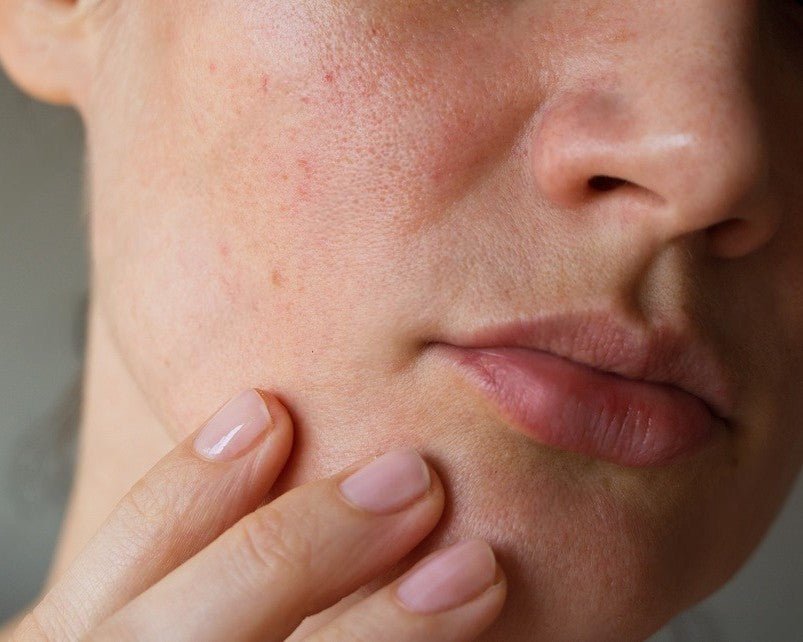
If your skin tends to be reactive, dry, flaky, or prone to redness and breakouts, omega-3 deficiency may be a significant contributing factor. EPA and DHA (the active forms of omega-3 found in fish oil) are incorporated directly into the phospholipid layer of your skin cells, making them more flexible, resilient, and better at retaining moisture. They also suppress the inflammatory pathways that drive acne, eczema, and rosacea flares.
Beyond skin, omega-3s are critical for hair follicle health. The hair follicle is one of the most metabolically active structures in the body, and it relies on a healthy blood supply and low inflammatory environment to grow efficiently. Studies have shown that omega-3 supplementation can reduce hair loss and improve hair density, particularly in women with female pattern hair loss.
What to look for: At least 1,000 to 2,000 mg combined EPA + DHA per day. Triglyceride-form fish oil is more bioavailable than ethyl ester form. If you're vegan, algae-based omega-3 is the best plant-derived alternative with comparable EPA/DHA content.
6. Zinc — The Acne Fighter and Follicle Protector
Zinc is one of the most underrated minerals in a beauty supplement stack. It serves two critical functions: regulating sebum production (making it one of the most evidence-backed natural interventions for acne-prone skin) and protecting hair follicles from the effects of DHT — the androgen hormone most associated with hair miniaturization and loss.
Zinc also plays a role in wound healing, collagen formation, and skin cell turnover. Deficiency is surprisingly common and is associated with a wide range of skin issues including delayed healing, persistent acne, and dull, rough texture.
What to look for: 15–30 mg of zinc per day, ideally in a highly bioavailable form like zinc bisglycinate or zinc picolinate. Zinc oxide (often used in supplements) has lower absorption. Take it with food to avoid nausea, and avoid taking it alongside calcium or iron supplements, as they compete for absorption.
7. Vitamin D — The Overlooked Skin Clarity Nutrient
A surprising number of people are vitamin D deficient — particularly those who work indoors, live in northern climates, or have darker skin tones. And while vitamin D is most commonly associated with bone health and immunity, its impact on skin is significant. Vitamin D receptors are present throughout the skin, including in keratinocytes (the cells that form the outer skin barrier), and deficiency is associated with chronic skin conditions like psoriasis, eczema, and increased susceptibility to breakouts.
Supplementing vitamin D can improve skin barrier function, reduce inflammatory skin conditions, and support the cell turnover cycle that keeps skin looking fresh and clear.
What to look for: 2,000 to 4,000 IU of vitamin D3 (cholecalciferol) per day, taken alongside vitamin K2 for proper calcium metabolism. Getting a blood test to check your 25-OH vitamin D level before supplementing is worthwhile so you know your actual starting point.
8. MSM (Methylsulfonylmethane) — The Under-the-Radar Glow Booster
MSM is a naturally occurring sulfur compound that's flown under the radar for years while more trendy ingredients grabbed the spotlight. That's a shame, because the research on MSM for skin and hair is genuinely compelling. Sulfur is a building block of keratin and collagen, and MSM helps your body maintain adequate sulfur levels for both. It's also a potent anti-inflammatory and antioxidant.
Studies have shown that MSM supplementation reduces UV-induced skin damage, improves skin texture, and when combined with marine collagen, produces synergistic improvements in skin firmness and elasticity that neither ingredient achieves alone.
What to look for: 1,000 to 3,000 mg per day of OptiMSM (the most clinically studied form). It has a mild, slightly bitter flavor in powder form but is odorless and tasteless in capsule form.
9. Probiotics — The Gut-Skin Axis Secret Weapon
The connection between gut health and skin health is one of the most exciting areas of beauty science right now, and the research is increasingly clear: a dysbiotic gut microbiome — one that's out of balance — is directly linked to skin inflammation, acne, rosacea, eczema, and accelerated skin aging. Probiotics help restore and maintain a healthy microbial balance in the gut, which in turn reduces systemic inflammation that manifests in the skin.
This is why some people see dramatic improvements in their skin when they fix their gut, even without changing a single topical product. The gut-skin axis is real, and probiotics are one of the most accessible ways to work it to your advantage.
What to look for: Multi-strain formulas with at least 10 billion CFU, featuring strains like Lactobacillus acidophilus, Lactobacillus rhamnosus, and Bifidobacterium longum, all of which have documented skin health benefits. Look for enteric-coated capsules or shelf-stable formulations that protect the bacteria through digestion.
How to Build Your Beauty Supplement Stack
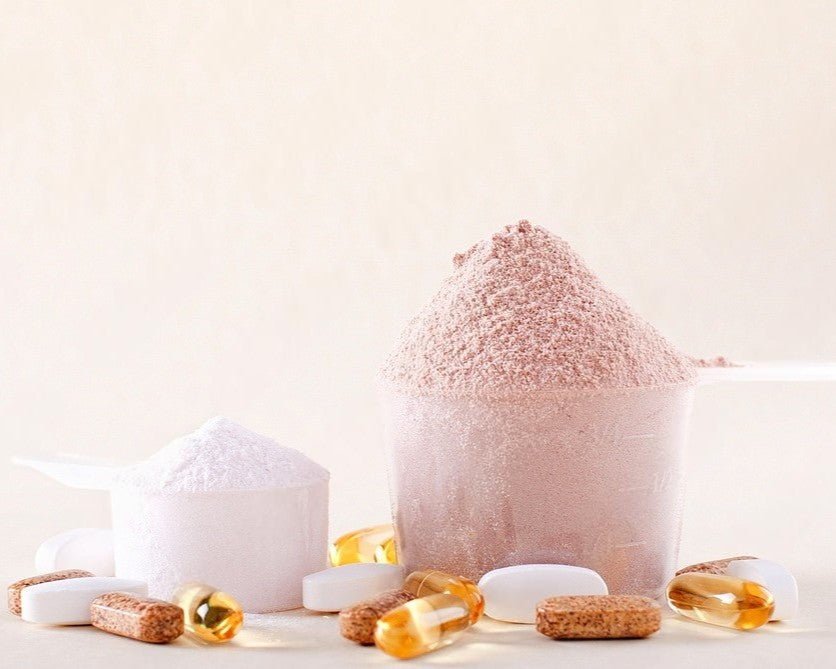
You don't need to take all nine of the above to get results — but knowing how to layer them intelligently makes a significant difference in both outcomes and cost-effectiveness. Here's how to think about it by goal:
For skin glow and anti-aging: Collagen peptides + vitamin C + hyaluronic acid + probiotics is the core stack. Add MSM if you want to accelerate results.
For hair growth and reduced shedding: Collagen + biotin + zinc + omega-3s + vitamin D is the most comprehensive and evidence-backed combination. This stack addresses keratin production, follicle health, scalp inflammation, and DHT sensitivity simultaneously.
For acne-prone skin: Zinc + omega-3s + probiotics + vitamin D is your priority combination. This addresses sebum regulation, gut-skin inflammation, and skin barrier integrity all at once.
For overall inside-out beauty (the full stack): Collagen peptides + vitamin C + biotin + zinc + omega-3s + probiotics covers the broadest range of benefits and is what most people building a comprehensive beauty wellness routine should consider as their foundation.
What to Look for When Buying Beauty Supplements
The supplement industry in the United States is not regulated the same way pharmaceuticals are, which means quality varies dramatically between brands. Here's what to look for to make sure you're actually getting what you're paying for:
Third-party testing is non-negotiable. Look for NSF, USP, or Informed Sport certifications on the label, or check if the brand uses independent labs to verify potency and purity. Without this, you can't know if the dose on the label matches what's actually in the capsule.
Bioavailable forms matter more than raw ingredient names. Zinc bisglycinate outperforms zinc oxide. Magnesium glycinate outperforms magnesium oxide. Hydrolyzed collagen outperforms gelatin. Always check the specific compound form, not just the headline ingredient.
Fillers and additives can undermine an otherwise good product. Avoid supplements with artificial dyes, hydrogenated oils, or synthetic fillers like magnesium stearate in large quantities.
Common Mistakes People Make With Beauty Supplements
The biggest mistake is expecting results in two weeks. Supplements work on the same timeline as your body's natural repair cycles — and for skin, that's a minimum of 28 to 90 days for a meaningful cellular turnover cycle. For hair, the growth cycle means you often won't see the full impact for three to six months. Patience and consistency are the strategy.
The second mistake is taking supplements without addressing the basics: sleep, hydration, and diet. No supplement can compensate for chronic sleep deprivation (when your body produces the least collagen), chronic dehydration (which tanks skin elasticity immediately), or a diet high in sugar (which directly damages collagen through a process called glycation). Supplements are amplifiers of a solid foundation, not a replacement for one.
The third mistake is going too high on too many things at once. If you start six new supplements simultaneously and your skin improves or reacts, you have no idea which one is responsible. Introduce your stack one or two at a time, spaced a few weeks apart, so you can track your body's response intelligently.
The Bottom Line
The era of separating "topical beauty" from "internal wellness" is over. The most effective beauty routines in 2026 are built on both, and the supplement stack you choose is one of the most powerful tools at your disposal for achieving the kind of results that topical products alone simply cannot deliver.
Start with a clean, well-formulated collagen peptide. Layer in vitamin C, biotin, and a quality probiotic. Then build from there based on your specific goals — whether that's clearer skin, thicker hair, stronger nails, or all of the above. The results don't happen overnight, but when they come, they're the kind that affect how you look in every light, at every angle — because they're coming from the inside out.
Ready to build your beauty supplement stack? Explore Everbeaut's curated selection of health and wellness supplements — each one chosen for quality, bioavailability, and real-world results.

Written by Jake Mitzkovitz